Smoke and Carbon Monoxide Alarms
Working alarms save lives, and California law requires them. Residents test the alarms and change batteries. If an alarm is missing, broken or worn out, we replace it.
Carbon monoxide alarm going off? Get everyone, including pets, outside into fresh air right away and call 911. Carbon monoxide has no smell. Don't go back inside until emergency responders say it's safe.
Step by step
1. Chirping every minute: change the battery
A short chirp every 30 to 60 seconds almost always means the battery is low. Replace it with the type printed on the alarm, usually a 9-volt or AA battery, then press and hold the test button until the alarm sounds.
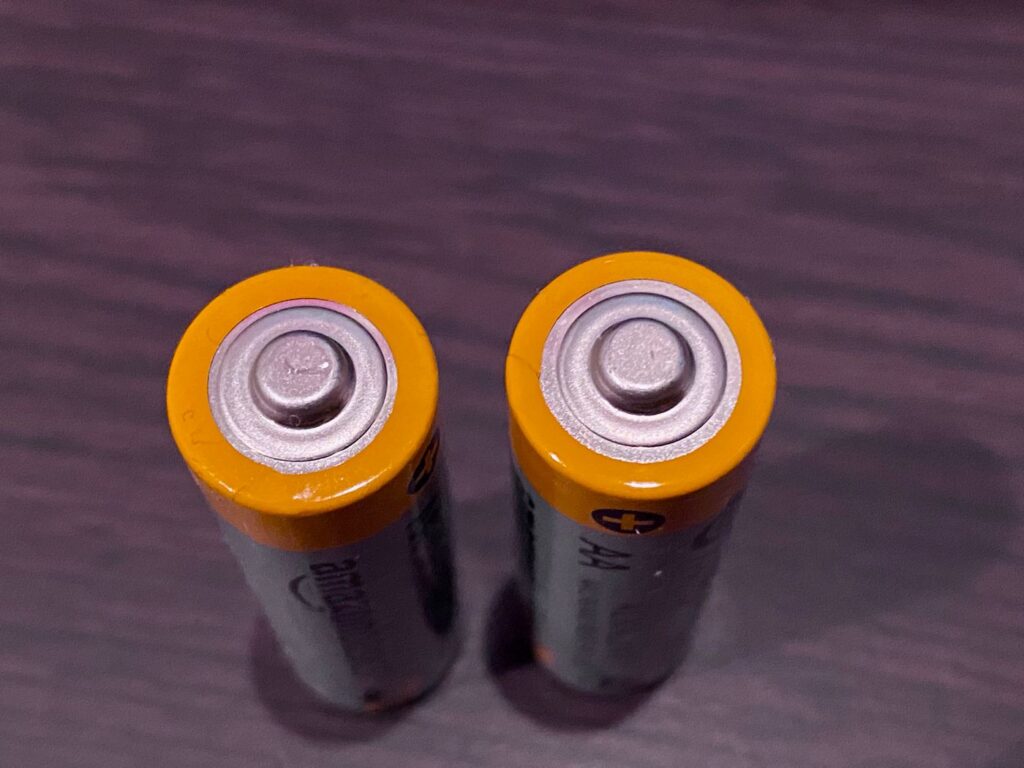
2. Still chirping: check for a sealed battery or end of life
Many newer alarms have a sealed 10-year battery that can't be replaced. If a sealed alarm chirps, or a new battery doesn't stop the chirp, the alarm has reached the end of its life. Check the date on the back: smoke alarms should be replaced 10 years after the date of manufacture. Please submit a maintenance request and we'll replace it.
3. Test every month
Press and hold the test button on each alarm until it sounds. If an alarm stays silent with a fresh battery, submit a request.
4. Cooking set it off
Turn on the range hood, open a window and fan the air near the alarm. Many alarms have a hush button that silences them for a few minutes. Don't take the battery out or remove the alarm.
Never remove or disable an alarm. Keeping smoke and carbon monoxide alarms installed and working is required by your lease and by California law. If an alarm keeps going off for no reason, submit a request instead of taking it down.
Frequently asked questions
Why is my smoke alarm chirping?
Usually because the battery is low. Replace it and test the alarm. If it still chirps with a new battery, or it has a sealed battery, the alarm is at the end of its life and needs to be replaced. Submit a maintenance request.
Who replaces the batteries?
The resident. Under the lease, residents replace batteries in smoke and carbon monoxide alarms and test them regularly. We replace alarms that are missing, damaged or past their life.
How do I know if my alarm is too old?
Look for the date printed on the back of the alarm. Smoke alarms should be replaced 10 years from that date. Carbon monoxide alarms usually last 7 to 10 years, depending on the model. Many alarms also chirp or flash to signal end of life.
Does my home need a carbon monoxide alarm?
California requires carbon monoxide alarms in homes with a gas appliance, a fireplace or an attached garage. If your home has one of these and you don't see a carbon monoxide alarm, submit a maintenance request.
What should I do if the carbon monoxide alarm goes off?
Get everyone outside into fresh air and call 911. Don't try to find the source yourself. Carbon monoxide is invisible and has no smell.
Can I take an alarm down if it keeps going off while I cook?
No. Use the hush button, turn on the range hood and open a window. If it goes off often, it may be too close to the kitchen or failing. Submit a request and we'll check it.
Need help?
Submit a maintenance request in the tenant portal and include photos if you can. Questions? Call (760) 349-1101 or email info@gfhousing.com, Monday to Friday, 10 a.m. to 4 p.m. See who handles what for repair responsibilities.